
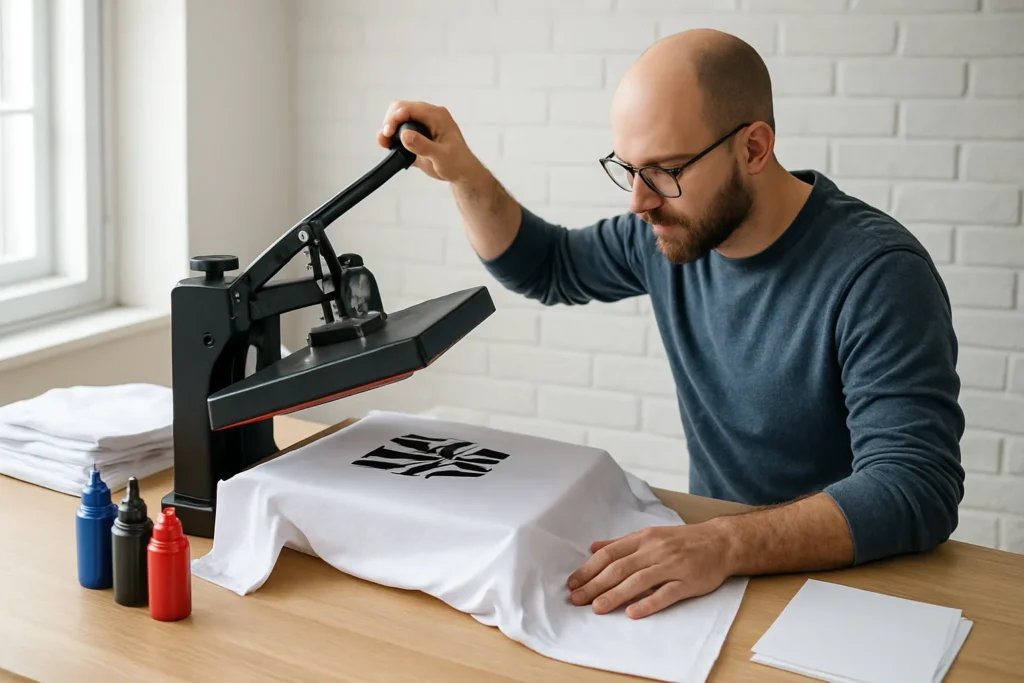
A Beginner’s Guide to T-Shirt Printing: Steps to Get Started
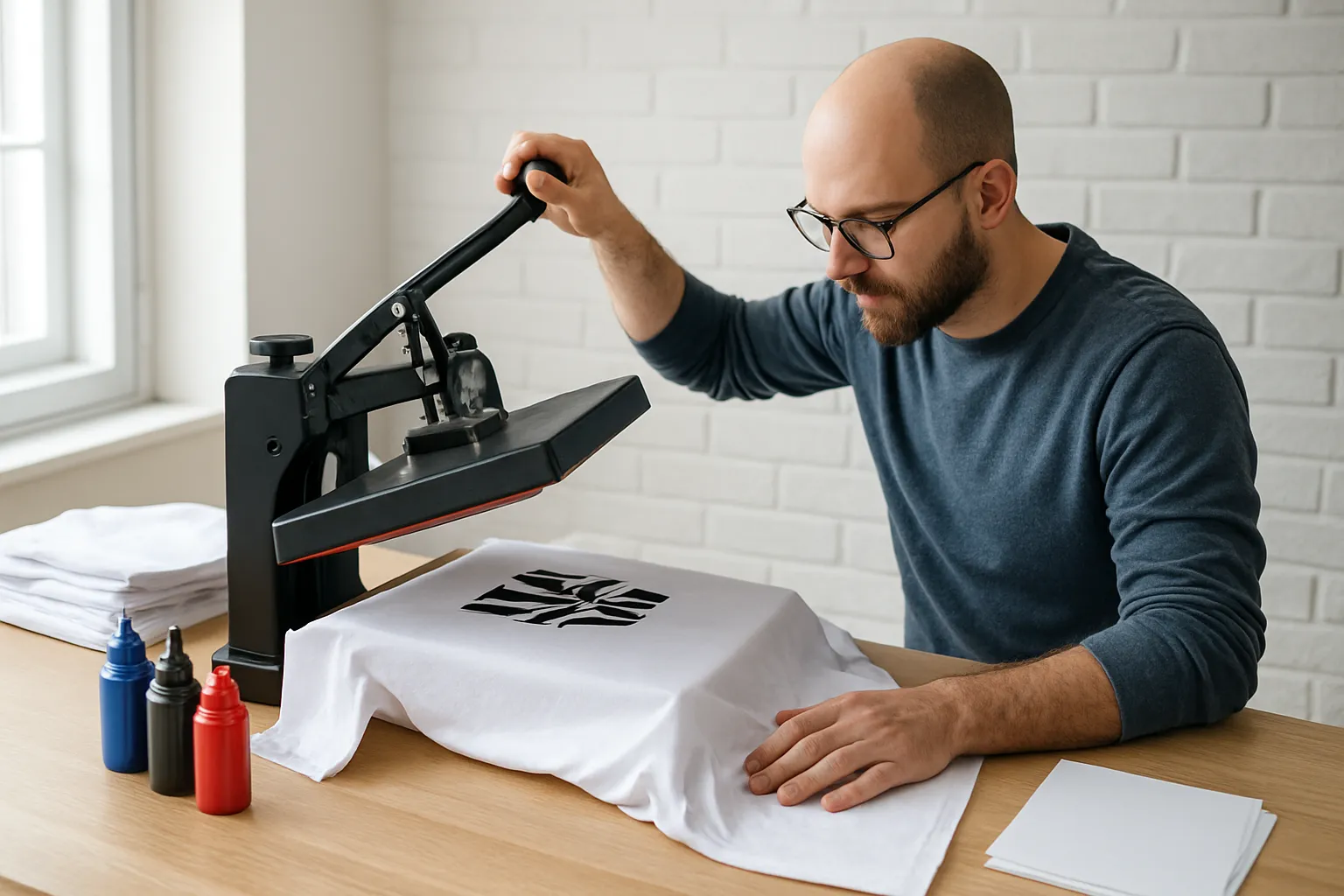
Starting your journey in t-shirt printing can be exciting yet overwhelming. Understanding t-shirt printing methods and techniques is crucial for beginners. If you’re a beginner looking to create custom designs, understanding the essential steps is crucial. The right approach helps you avoid common pitfalls and streamline your process, whether for personal use or launching a small business.
Familiarize yourself with different t-shirt printing methods, as each has its advantages and limitations. By comparing techniques like screen printing, heat transfer, and direct-to-garment (DTG) printing, you can decide which method suits your needs and budget.
Essential Steps for Starting T-Shirt Printing
Focus on three essential steps: selecting materials, choosing a printing method, and setting up your workspace. Each plays a crucial role in determining the quality and efficiency of your printing process.
Selecting Materials Choose the right t-shirt fabric. Cotton is popular for its softness and printability, while blends like cotton-polyester offer durability. Consider the weight and texture, as these influence ink adherence and appearance.
Choosing a Printing Method Select a printing method that aligns with your goals. Common techniques include screen printing, heat transfer, and DTG printing. Screen printing is cost-effective for large batches but requires space and equipment. DTG allows for detailed designs and is ideal for small runs, though it may be pricier per piece. Understanding the strengths and limitations of each method helps you make an informed choice based on your budget and production volume.
Setting Up Your Workspace Establish a workspace that facilitates the printing process. Ensure it is well-ventilated, especially if using adhesives or inks that emit fumes. Organize your tools and materials efficiently to minimize setup time. A simple table and basic tools suffice for beginners, but as you grow, consider investing in specialized equipment like a heat press or screen printing kit.
Comparing T-Shirt Printing Methods
Choosing the right printing method is crucial. The main techniques are screen printing, heat transfer, and DTG printing. Each has strengths and weaknesses that can influence your decision based on your specific needs and resources.
Screen Printing is ideal for bulk orders. It involves creating a stencil and applying layers of ink on the t-shirt. This method is cost-effective for large quantities and produces vibrant colors. However, the initial setup can be expensive and time-consuming, making it less practical for small batches or one-off designs.
Heat Transfer uses a heat press to transfer designs from printed paper onto fabric. This user-friendly method is suitable for small runs, allowing for complex and colorful designs. However, prints may not be as durable as screen prints and can crack or fade over time.
Direct-to-Garment (DTG) printing prints directly onto the fabric using inkjet technology. It offers great detail and is excellent for intricate designs with many colors. DTG is perfect for small orders or one-offs but requires specialized equipment and can be slower than other methods, making it less efficient for large production runs.
In summary, if you plan to print in bulk, screen printing might be your best option. For more detailed comparisons of printing methods, check out our article on [Choosing the Right Printing Method](#) and [Common Mistakes in T-Shirt Printing](#). For small batches or detailed designs, heat transfer and DTG are more suitable. Consider your production volume, budget, and design complexity before making a decision.
Common Mistakes to Avoid in T-Shirt Printing
Avoiding common mistakes can enhance the final product’s quality. Here are frequent pitfalls and how to sidestep them.
1. Poor Design Choices Using low-resolution images or overly complex designs is a common error. Ensure your designs are high-resolution (at least 300 DPI) to prevent pixelation. Simplifying intricate designs can enhance print clarity.
2. Incorrect Heat Settings Inadequate heat settings can ruin prints. Different materials require specific temperature settings and pressure for heat transfer methods. Always refer to material guidelines to adjust your heat press settings accordingly.
3. Inadequate Preparation Failing to prepare your workspace and materials can lead to inconsistent prints. Ensure your t-shirts are clean, wrinkle-free, and properly aligned before printing.
Frequently Asked Questions About T-Shirt Printing
What equipment do I need to start t-shirt printing? Basic equipment includes a printer, heat press, or screen printing setup depending on the method you choose. For more insights, refer to authoritative sources like Printing.org for detailed equipment recommendations.
How much does it cost to start t-shirt printing? Costs vary widely; consider equipment, materials, and design software. Expect to invest between $200 to $2,000.
What are the best materials for t-shirt printing? Cotton and cotton blends are popular for their print quality and comfort. Test designs on fabric swatches to assess color appearance.
How do I create a design for my t-shirt? Use graphic design software or templates. Focus on simplicity and clarity for better print results.
Can I print on any type of fabric? Not all fabrics are suitable for all printing methods. Always check compatibility based on your chosen technique.