
Shorts RFQs: Identify the Offered Drawcord
For a 51420shorts drawcord RFQ, identify the actual offered garment and ask the supplier to define the waistcord reference included in its quotation. Connect the cord appearance, visible ends and supplier-described attachment to an identified sample and size. Keep any separately supplied cord or changed version distinguishable from the original garment offer.
When sourcing wholesale shorts, a visible cord can seem like a straightforward detail until the quotation and sample refer to different versions. A buyer needs to know which garment the reference describes and what the supplier is actually offering with it. A small drawcord schedule turns that discussion into a product-specific request without estimating construction or dimensions from a photograph.
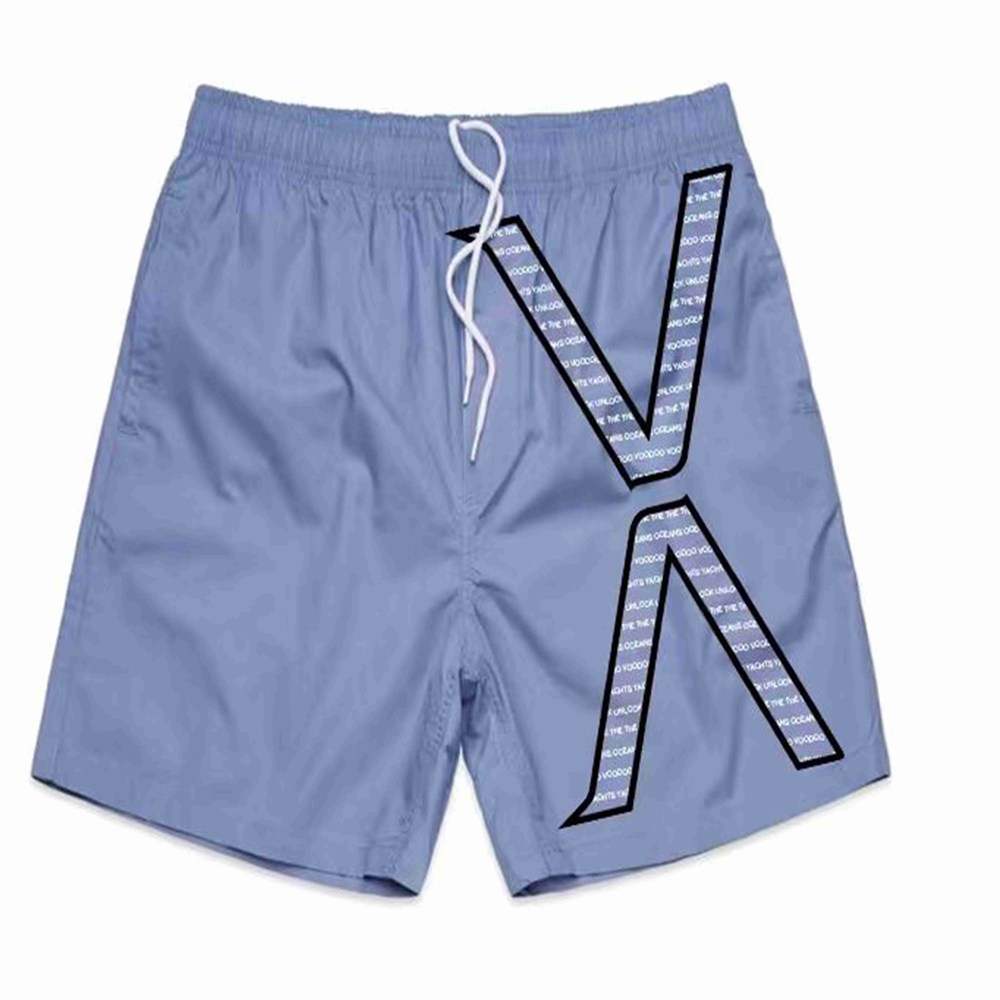
Official 51420shorts related-card photograph. Confirm the actual offered garment and waistcord reference; appearance alone does not define its specification.
Begin with the actual catalogue reference
An official related-product card identifies 51420shorts and links to its product reference. The associated catalogue photograph shows light blue shorts with a gathered waistband and a visible light-coloured waistcord. Those observations provide a starting point for the inquiry. They do not define the cord material, working function, length or the complete construction of the offered garment.
Mark that catalogue photograph when asking the supplier to identify the actual quoted version. Request the supplier style reference, selected sample size and any version information needed to distinguish the offer. If a different image or sample is proposed, keep it as a separate reference until the supplier explains the relationship. This prevents the familiar product name from hiding a change in the cord being discussed.
Ask what the garment offer includes
Ask the supplier whether the quoted garment includes the pictured waistcord presentation and what its supply boundary is. Record whether the cord is part of the offered assembled garment or described in another supply arrangement. Keep the supplier response attached to the quotation line. A visible cord in a catalogue picture should not become an unconfirmed statement about the contents of every offer.
If the buyer requires a separately supplied matching cord, raise that as a distinct inquiry. Ask whether the supplier offers it and which component reference and supply unit would identify that offer. Do not assume separate availability from the fact that the component is visible on a garment. The supplier should distinguish an assembled garment quotation from any proposed replacement or additional component line.
Buying field
Requested supplier response
Garment identity
Supplier-confirmed 51420shorts offer, selected version and identified sample size.
Cord reference
Supplier identifier or marked appearance reference for the actual offered waistcord.
Supply boundary
Whether and how the cord is included with the quoted assembled garment.
Visible details
Supplier-confirmed end appearance and relevant connection or exit-area reference.
Version scope
Applicable garment sizes or versions, with any differences stated separately.
Separate offer
Availability and defined supply unit for a matching component, only if offered.
Separate 56925 Double-layer Shorts catalogue photograph. This is another product, not the 51420 sample or evidence of matching cord and waistband construction.
Keep the separate shorts reference distinguishable
The photograph above belongs to the separate 56925 Double-layer Shorts catalogue listing. It is a comparison reference for another shorts offer, not a photograph of the 51420 sample and not proof that both products use the same cord or waistband. When discussing several catalogue products with a supplier, label each image so that a reply about one garment is not applied to the other.
Ask the supplier to use the exact garment reference in its answer about the cord. If it proposes a shared component, request a clear applicability statement and the component identifier rather than assuming interchangeability from appearance. If the cord differs, keep those references separate in the quotation. The comparison should help identify the question, while the supplier response defines the actual offered relationship.
Request the visible end and connection references
Ask for an identified detail view of the actual sample that shows the offered cord ends and the relevant connection or exit area. Let the supplier describe the construction covered by that reference. A front photograph may leave important areas out of view, so ask for the missing information instead of deciding that an unseen attachment or finish must be present.
Keep appearance questions distinct from function or performance. If the buyer needs the supplier to explain the intended role of the cord, request that information expressly and retain its scope. Do not interpret a visible loose end as proof of adjustability, a particular fastening method or a material specification. The record should preserve what the supplier has confirmed for the offered garment.
Supplier-published chart for the separate 56925 product. These values are not 51420 dimensions or a drawcord specification.
Tie size applicability and changes to the same sample
The chart above is published with the separate 56925 product. It is not a 51420 size specification or a drawcord measurement schedule. Use the distinction to keep the inquiry specific: ask the supplier which cord reference applies to the selected 51420 sample size and what information it uses to describe any size-related differences. Do not transfer the chart values to the pictured blue shorts.
Before accepting the offer, compare the quotation, identified garment sample and drawcord schedule. The product version and component reference should describe the same proposal. Record any supplier change to the cord appearance or supply boundary under an updated reference. For a repeat order, ask whether the earlier reference remains applicable and discuss any alternative explicitly rather than allowing it to inherit an earlier sample decision.
Buyer FAQ
Does the 51420 catalogue photograph establish the cord specification?
It provides a visible product reference. Request the actual offered component identity, supply boundary and relevant supplier detail before defining the order.
Can the 56925 photo or chart define the 51420 offer?
Keep them separate. They belong to another catalogue product and do not establish matching components, dimensions or the same garment version.
Should a matching loose cord be assumed available?
Ask the supplier whether it offers a separate component and request its identifier and supply unit if it does.
What should be retained when the supplier changes the cord?
Keep the revised appearance or component reference, garment and size applicability, and the updated quotation or sample relationship.
Identify the inquiry with the 51420shorts catalogue reference. Keep the separate 56925 product reference distinguishable, and request the actual offered drawcord details through the supplier website.
Identify the actual garment, sample size and offered waistcord reference.
Confirm included supply scope and any separately offered component.
Keep other product photographs and charts separate from the 51420 specification.
wholesale shortsB2B supplier sample record