
For a mixed apparel enquiry, preserve the complete supplier style number beside the product name and image. Kujing lists 00015 Round-neck T-shirt, 00018 Sleeveless T-shirt and 20128 Long-sleeved Shirt as distinct products. Keep the leading zeros in 00015 and 00018 when preparing the quotation sheet, sample record and order rows. A shortened number or a generic garment description should not replace the original catalogue identity.
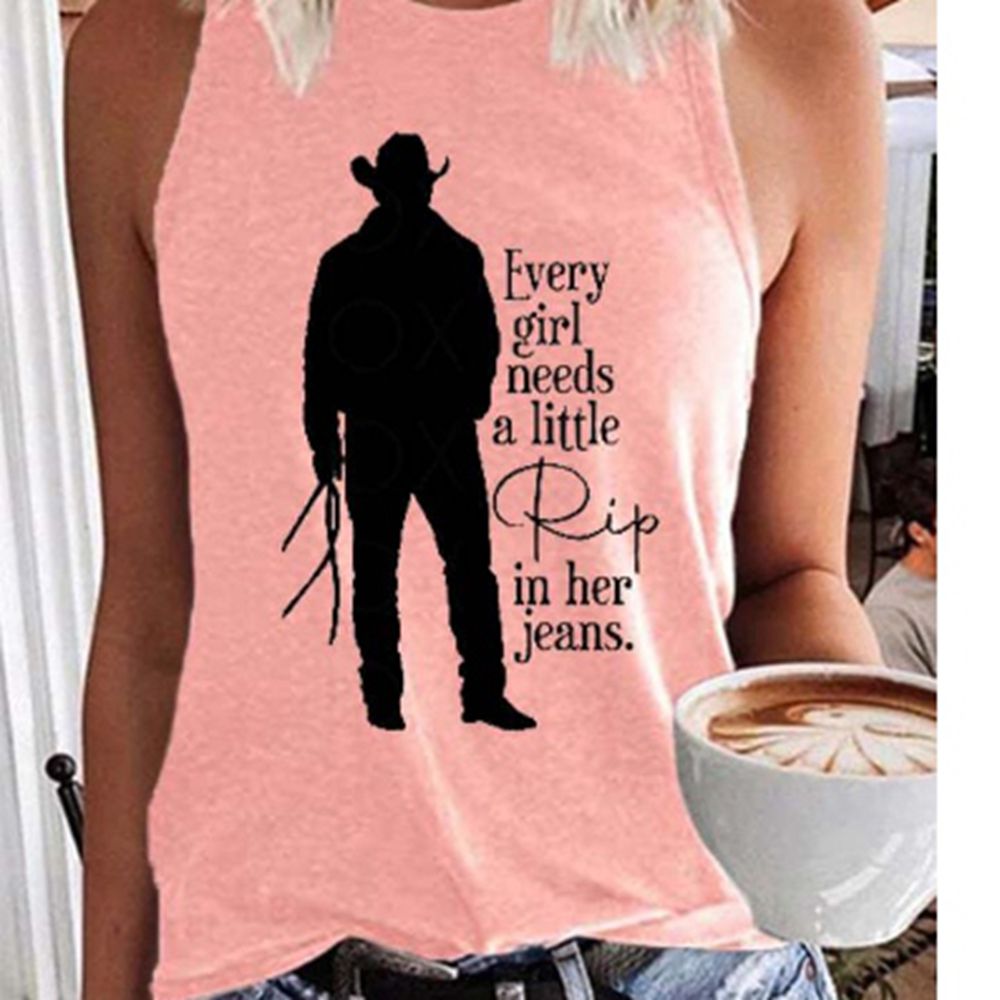
Official 00018 catalogue appearance reference. Visible graphics do not establish artwork licensing, brand authorization, fabric composition or a confirmed supplied print.
Keep 00018 as a complete reference
The 00018 Sleeveless T-shirt page uses a five-character numeric style reference that begins with zeros. Copy that identifier as text and preserve the full product name. If a buyer uses an internal item number, keep it in another field so the supplier’s original reference remains available for comparison.
The same page describes the fabric as cotton-like and lists S–5XL. Those statements belong to this product reference. Cotton-like should not silently become a verified cotton percentage, and a size range is not a set of garment measurements. Keeping the style identity intact helps the supplier answer those specification questions for the correct item rather than for another sleeveless product.
Do not shorten 00015 to a generic round-neck row
Official 00015 Round-neck T-shirt reference, separate from 00018. The chest graphic is a catalogue identifier here, not evidence of licensed artwork or verified printing performance.
The 00015 Round-neck T-shirt page identifies a different garment and lists Fabric: Cotton and Sizes: XS–XXL. Keep 00015 beside that product name and its own link. A row called round-neck shirt may be understandable in a conversation, but it loses the supplier’s exact style reference when several products are being discussed.
Do not copy the 00018 size range into the 00015 row just because the two identifiers look similar. Preserve the catalogue statements separately, then ask for current size availability and the applicable measurement information when needed. The article’s reference sheet is an identity tool, not an assertion that all listed sizes are currently in stock or that a particular fabric statement has been independently tested.
Complete style reference | Catalogue product name | Keep attached to the row
00015 | Round-neck T-shirt | Its own product link, image and specification questions
00018 | Sleeveless T-shirt | Its own sample identity and supplier response
20128 | Long-sleeved Shirt | Its own product reference, without changing the style number
Preserve the 20128 product name through the handoff
Official 20128 Long-sleeved Shirt appearance reference. It is a different garment from the round-neck and sleeveless styles, not a shared fabric or fit specification.
The 20128 Long-sleeved Shirt page supplies the third product identity. Its site navigation places it under POLO, while the product title names a long-sleeved shirt. The enquiry can avoid unnecessary reinterpretation by preserving the exact style number, product title and link. Ask the supplier to clarify any garment description that matters to the current offer.
The fabric line includes the wording 120 four-way stretch. Do not convert that bare number into a fabric weight or another numerical specification without a supplier definition. The reference sheet should retain the question under 20128 rather than borrowing the simpler cotton description from 00015. Similar-looking rows are not permission to standardize different source statements into one unsupported material schedule.
Check the reference after each document transfer
A style reference may pass through an enquiry sheet, a quotation, a sample label and an internal purchasing record. At each handoff, compare the complete reference with the original product link. Ask for a correction if a response drops the leading zeros or uses only a shortened description. Do not decide on the supplier’s behalf that an altered number must be an equivalent identifier.
If the supplier uses a separate current code, record that code beside the original catalogue reference and ask for an explicit mapping. This lets staff understand the relationship without overwriting the discovery reference. Keep proposed substitutes separate until their identity is clear. A similar print or neckline does not establish that two supplier codes represent the same product.
• Store the full supplier style reference, including every leading zero.
• Keep the exact product name, source link and selected image on the same row.
• Separate internal item numbers from supplier catalogue identifiers.
• Ask the supplier to map any changed code or proposed alternative explicitly.
Link each submitted sample to its own row
When samples are proposed or received, identify which style row each one represents. Record any version or artwork question separately from the base garment identity. A sample that resembles the catalogue image should still have a clear supplier reference, especially when several garments are reviewed together. The visible print does not by itself establish the offered artwork, a licensed design or the garment’s hidden specifications.
Send the completed rows through the Kujing contact page. Buyers exploring wholesale t-shirt products can consult the catalogue, keeping each newly selected style separate. The useful outcome is a quotation and sample handoff that preserves 00015, 00018 and 20128 clearly enough that no specification migrates to the wrong garment.
Frequently asked questions
Should the leading zeros be removed from 00015 or 00018?
Preserve the complete catalogue reference. Ask the supplier to clarify any changed code instead of assuming it is equivalent.
Can one size range be copied across the three rows?
Keep product-specific statements separate and request the relevant current size and measurement information for each offered style.
Does cotton-like confirm a cotton percentage?
No percentage is established by that wording. Keep the specification question attached to the 00018 reference.
What if the supplier quotes a different current code?
Record it beside the original catalogue identity and request an explicit mapping before combining the records.
Product and contact references
https://kujingapparel.com/product/00018-sleeveless-t-shirt/
https://kujingapparel.com/product/00015-round-neck-t-shirt/
https://kujingapparel.com/product/20128-long-sleeved-shirt/
https://kujingapparel.com/contact/
https://kujingapparel.com/products/