
T-Shirt Fabric Terms: Request Fibre Details
For wholesale T-shirt enquiries, retain each supplier fabric term but request the fibre declaration behind it. Kujing labels model 00015 as Cotton and model 00018 as cotton-like; neither short field provides a complete component-level breakdown. Ask which fabric and garment parts the answer covers, retain any stated proportions with their scope, and match the declaration to the actual offered sample before comparing quotations.
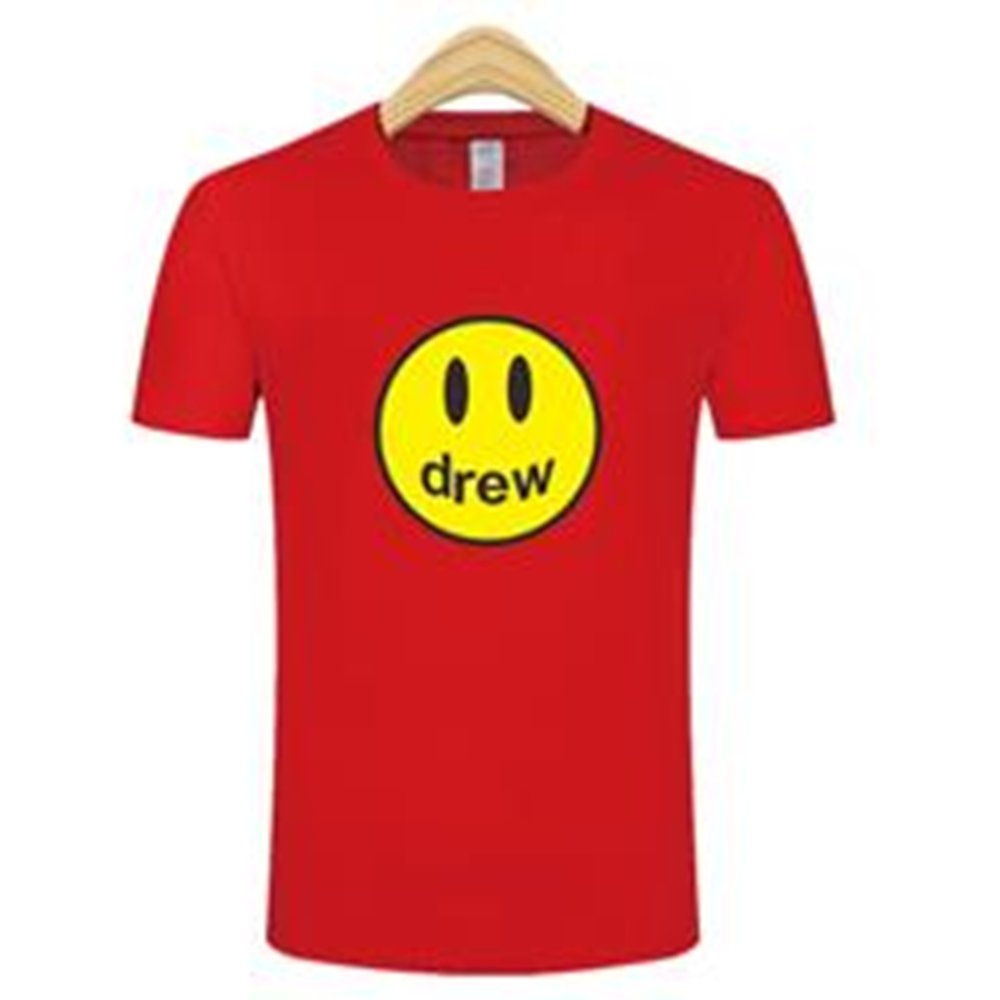
Official 00015 round-neck garment reference. Printed graphics and the neck label identify appearance; they do not verify fibre content or establish any brand relationship.
Keep the catalogue term with its own style
The 00015 Round-neck T-shirt listing uses the fabric term Cotton. The separately listed 00018 Sleeveless T-shirt uses cotton-like. Keep those descriptions attached to their respective products when preparing a material enquiry.
A short fabric field is a starting reference, rather than a complete breakdown of every garment component. Ask the supplier to explain the offered material in the detail needed for the purchase. Do not convert cotton-like into an assumed cotton percentage or treat the word Cotton as an independently verified whole-garment composition.
Separate fabric names from composition answers
Put the original wording beside the supplier’s more detailed answer. This allows the buyer to preserve what the catalogue actually says while identifying which questions remain open. Compare offers using the clarified material information, rather than assuming that familiar-sounding descriptions represent equivalent fabrics.
Catalogue reference
Published wording
Clarification requested
00015 round-neck style
Cotton
The offered fibre declaration and component scope
00018 sleeveless style
cotton-like
What composition the supplier proposes behind that descriptor
20128 long-sleeved style
120 four-way stretch
Separate explanations of composition and the stated fabric terms
Separate 00018 listing, whose fabric field reads cotton-like. It is not presented as the same fabric or garment as 00015; supplier composition remains a question.
Define which garment parts the declaration covers
Ask whether the supplier’s answer describes the principal body fabric, a particular trim or another named component. Request a separate declaration where a neck binding, cuff, lining or other proposed part uses a different fabric. These are questions about the offered construction, not assumptions that every listed garment contains all of those parts.
Keep any proportions attached to the fabric or component they describe. If a statement covers only the main body, retain that limit instead of extending it to the complete garment. A component schedule makes it easier to compare the supplier’s answer with a sample and to identify an unanswered material field.
Ask for an identifiable fabric reference
Request the supplier reference used for the proposed fabric. Keep that reference with the style, colour and component scope in the quotation. If the supplier offers more than one material option for the style, ask it to describe each option separately rather than combining several possible fabrics into one general answer.
Where the declaration is incomplete or appears inconsistent, return the question to the supplier with the affected reference. Do not fill a missing proportion from the product photograph or from another style’s description. The useful deliverable is an explicit answer for the material actually proposed in this offer.
Separate 20128 long-sleeved shirt reference. Its 120 four-way stretch wording is retained as a supplier description, not converted into a fibre blend or a fabric-weight unit.
Keep other fabric descriptors on separate fields
The 20128 Long-sleeved Shirt listing uses the wording 120 four-way stretch. Ask the supplier what each part of that wording means in its offer. Keep its explanation of the number and any applicable unit separate from the fibre declaration.
A descriptive term does not supply missing composition information. Likewise, a composition answer does not independently establish stretch behaviour, fabric weight or another performance characteristic. If a buying decision depends on one of those characteristics, state that requirement separately and request the supplier’s corresponding information.
Match the declaration to the offered sample
Ask the supplier to identify which fabric reference is represented by the submitted swatch or garment sample. Keep the sample decision with the same style and component schedule used in the material discussion. A similar colour or surface appearance is not a substitute for that connection.
If the supplier provides a document covering several fabrics, ask which entry applies to the proposed sample. Record the answer before treating the document as support for the quotation. Any evidence should remain limited to the product, fabric and scope it actually identifies.
Close substitutions before comparing final quotations
Review the current fabric reference, component declaration and sample identity together before accepting a material option. If the supplier proposes a substitute, ask for its own material answer and identify which parts of the garment would change. Do not carry an earlier approval forward solely because the same short fabric term remains in the title.
Retain the original catalogue wording.
Request the offered fibre declaration.
Define the garment-component scope.
Match the fabric reference, sample and quotation.
Send the material questions through the supplier contact page. The apparel sourcing articles provide related buying context.
Frequently asked questions
Does cotton-like state a cotton percentage?
Request the supplier’s composition answer for the offered fabric. The descriptor alone does not provide that breakdown.
Can a body-fabric declaration be applied to every trim?
Ask which components it covers and identify any separately described materials in the proposed garment.
What should be retained when a fabric changes?
Keep the replacement fabric reference, its declaration and the matching sample decision with the updated quotation.
T-shirt fabric termsFibre declarationsB2B apparel sourcing